The best microchip cat feeder for most multi-cat homes is a sealed selective bowl that opens only for an enrolled implanted ID chip—or the brand’s RFID collar tag when a chip is missing—then closes when that cat walks away. In 2026 shopping, the SureFeed Microchip Pet Feeder remains the default reliability pick for wet or dry food; Closer Pets MiBowl is the enclosed budget microchip alternative; a scheduled RFID dry hopper (such as PETLIBRO’s RFID models) is the right detour only when you need auto-dispensing kibble and a cat that keeps a collar tag on. These products control who eats, not multi-day unattended dispensing by themselves. Use food-label or veterinarian portion guidance for calories; sudden appetite, weight, or GI changes deserve a vet visit—not a product swap alone.
Best microchip cat feeder — quick picks
Takeaway: Start with SureFeed for chip-gated wet/dry access; use MiBowl for an enclosed budget bowl; pick RFID hoppers only when you need schedules plus a reliable collar tag.
- Best overall: SureFeed Microchip Pet Feeder — implanted-chip (or included tag) access, sealed bowl for wet or dry, up to 32 enrolled pets on typical MPF001 specs.
- Best enclosed value: Closer Pets MiBowl CP500 — microchip-activated selective bowl with a more enclosed back, practical for persistent shoulder-surfing cats.
- Best scheduled dry alternative: PETLIBRO RFID Automatic Cat Feeder — collar-tag gated dry hopper with app scheduling when auto-dispense matters more than implanted-chip reading.
If you still need the vocabulary fork (implanted chip vs proprietary collar tag vs dual open bowls), read our microchip cat feeder vs RFID cat feeder comparison and the RFID feeder vs dual bowl feeder for two cats decision tree. This page is the buying-guide pillar: which SKU class to buy first.
What a microchip cat feeder actually does
Takeaway: A true microchip feeder is an access-control lid on a bowl—not a multi-day kibble carousel by itself.
Retail titles blur three jobs. A microchip sealed bowl (SureFeed-class, MiBowl-class) reads a common implanted identification microchip and/or a brand RFID collar tag, opens a lid only for enrolled pets, and seals again when they leave. You place wet or dry food in the bowl; the feeder does not usually grind out timed dry portions from a large hopper. An RFID scheduled hopper (many 2026 Amazon “RFID cat feeder” listings) dispenses dry kibble on a timer and unlocks a bowl lid for a proprietary collar tag—often not for implanted chips. A dual-bowl timed feeder drops the same dry food into two open dishes; it spaces cats, it does not lock identity.
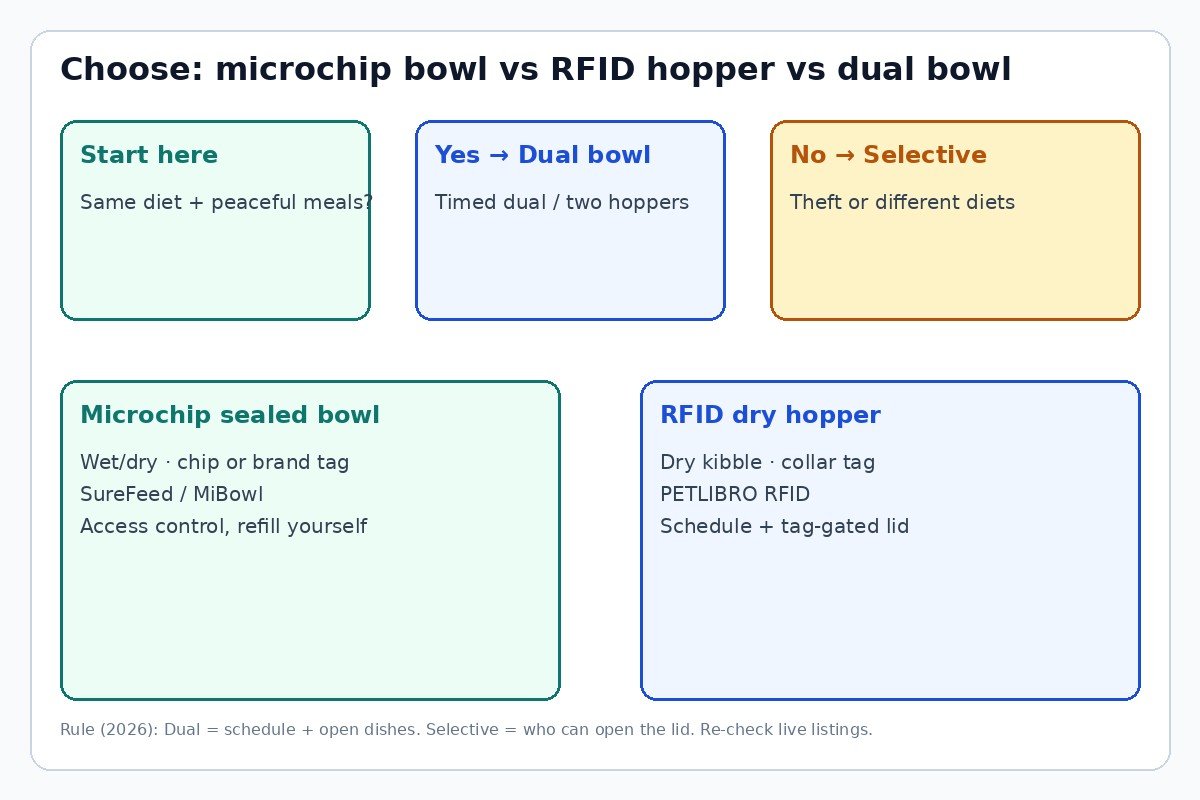
That distinction is the dated shopping rule for 2026: access control ≠ auto-dispense. If your pain is a food thief or a prescription formula, buy selective access first. If your pain is “I’m at work and kibble must appear at noon,” buy a hopper—and only add selective lids when the second cat steals. Multi-cat overview types still live in best automatic cat feeders for two cats.
Microchip vs MiBowl vs RFID — comparison table
Takeaway: Match food type and ID method first; brand marketing second.
| Factor | SureFeed Microchip (MPF001 class) | Closer Pets MiBowl CP500 | PETLIBRO RFID hopper |
|---|---|---|---|
| Primary job | Identity-gated sealed bowl | Identity-gated enclosed bowl | Scheduled dry dispense + tag-gated lid |
| Reads implanted chip? | Yes (common pet ID chips) | Yes (microchip-activated selective bowl) | No — proprietary collar tag only (per brand FAQ) |
| Food type | Wet and dry in a bowl | Wet/dry selective bowl (check listing capacity) | Dry kibble hopper (~3 L class on common PLAF301 listings) |
| Pet memory (typical) | Up to 32 enrolled pets | Multi-pet selective (confirm live listing / manual) | Tag-synced selective access; schedule via app |
| Best household | Prescription/wet, collar-averse, reliability-first | Budget microchip with enclosed back | Collar-tolerant cats needing timed dry meals |
| Watch-outs | Not a multi-day dry hopper; battery C-cells | Verify wet-food sealing expectations on the live listing | Collar shedding defeats access; dry only |
How to choose the best microchip cat feeder
Takeaway: Run a five-question checklist before you click “Add to cart.”
- Is the problem identity or schedule? Thief / different diets → selective bowl or RFID lid. Only “food appears while I’m out” on the same shared diet → dual or single timed hopper may be enough.
- Wet food in the plan? Prefer a sealed microchip bowl. Dry hoppers are not wet-food refrigerators—see best automatic cat feeders for wet food and best refrigerated wet food cat feeder when chilling across a workday matters.
- Will every cat keep a collar on? Collar-averse or breakaway-tag losers → implanted-chip readers (SureFeed-class) win. Collar-tolerant → RFID hoppers become viable.
- How many restricted diets? Plan roughly one selective station per protected formula. One bowl cannot serve renal pâté to Cat A and keep Cat B out while also being Cat B’s buffet.
- Do you need app logs? Connect/hub bundles and Wi‑Fi RFID hoppers add telemetry. Skip the hub tax if you only need a reliable lid.
Our Amazon picks for microchip (and selective) feeders
Takeaway: Three verified US Amazon starting points—confirm live specs and prices before checkout.
Product photos below are already hosted on this site. Specs, bundles, and prices change—confirm bowl capacity, battery type, training mode, and whether extra tags are included.
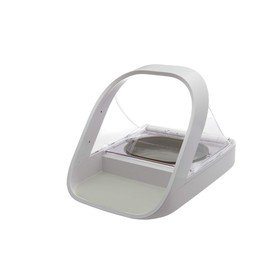
Best overall microchip bowl — SureFeed Microchip Pet Feeder
SureFeed Microchip Pet Feeder
Best for: Multi-cat homes that need a reliable chip-gated sealed bowl for wet or dry food
Reads common implanted microchips and includes a Sure Petcare RFID collar tag for unchipped pets. Typical MPF001 kit includes single and split bowls, mat, and training mode that stages lid movement. Designed to enroll multiple pets (manufacturer materials cite up to 32). Powered by alkaline C-cell batteries (not rechargeable cells per manufacturer guidance).
Best enclosed budget microchip bowl — Closer Pets MiBowl CP500
Closer Pets MiBowl CP500
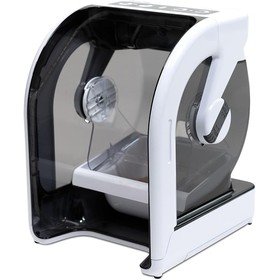
Best for: Shoppers who want a microchip-activated selective bowl with a more enclosed rear profile at a lower price than SureFeed
Microchip-activated automatic selective feeder aimed at small-to-medium cats (and small dogs on the listing). Enclosed-back design is the usual reason buyers pick it when another pet tries to reach around an open side. Confirm live Amazon capacity, included ID disc/tag, and battery requirements before purchase. Connected MiBowl+ / hub variants exist if you later want app monitoring—start with CP500 if you only need the lid.
Best scheduled RFID dry alternative — PETLIBRO RFID Automatic Cat Feeder
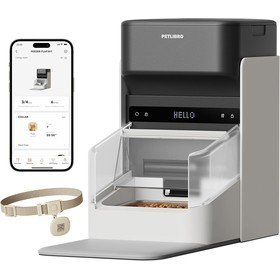
PETLIBRO RFID Automatic Cat Feeder
Best for: Collar-tolerant cats that need timed dry meals plus a lid that only the tagged cat can open
Included in this microchip roundup as the honest “wrong tool if you need implanted-chip reading” alternative. Brand FAQ language is clear: the reader works with the dedicated collar tag, not implanted microchips. You get hopper capacity, Wi‑Fi scheduling, and diet logs in exchange for collar dependency and dry-food-only use. Buy this when schedule + selective dry access beats a sealed wet/dry bowl.
Setup and training checklist (before you blame the product)
Takeaway: Most “it won’t open” returns are enrollment or training-mode skips—not broken readers.
- Confirm the chip is readable. Ask your clinic or shelter for the chip number/type if the feeder struggles; manufacturer collar tags are the fallback when chips have migrated or are absent.
- Use fresh alkaline batteries of the required size. SureFeed-class units commonly specify C cells and discourage rechargeables; follow the manual for your SKU.
- Leave the lid open for familiarization first. Manufacturer training modes typically stage lid movement over days so timid cats do not avoid the station.
- Enroll every authorized pet deliberately. Do not assume “it saw the chip once at the clinic.” Complete the add-pet sequence in the manual.
- Place the station where the thief cannot body-block. Corners and enclosed backs help; cameras without a subscription can confirm who visited while you train—see best pet cameras without subscription.
- Keep bowls clean and seals intact. Dried pâté on the lip can prevent a clean close; that is maintenance, not a reason to abandon selective feeding.
Multi-cat math: one feeder or one per diet?
Takeaway: Budget one selective station per protected formula—not one feeder for the whole household by default.
A microchip feeder that remembers 32 IDs can still only present one bowl of food at a time. If Cat A eats renal wet food and Cat B eats adult maintenance, you need Cat A’s formula behind a selective lid Cat B cannot open—and Cat B needs a separate station (selective or not) for their own meals. Peaceful same-diet pairs may share a dual-bowl timed unit from our two-cat feeder guide until bowl-hopping appears; the moment leftovers vanish from the “wrong” side, upgrade that side to selective access.
Capacity math for dry hoppers is different: estimate daily grams × days between refills, then leave headroom for clumping and desiccant bags. Sealed microchip bowls are refill-per-meal or per-half-day tools when wet food is involved—pair with chilled tray systems if you need workday wet automation.
FAQ — best microchip cat feeder
Do microchip feeders implant a new chip in my cat?
No. They read the identification microchip many pets already have from a clinic or shelter, or they use a brand RFID collar tag. Nothing new is implanted by the feeder.
Will a microchip feeder work if my cat is not microchipped?
Usually yes via the included brand RFID collar tag (SureFeed ships with one; follow breakaway-collar safety guidance). If your cat will not wear a collar, talk with your veterinarian about microchipping for identification generally—and expect chip-reading selective bowls to be the cleaner hardware path afterward.
Can one microchip feeder serve two cats on different diets?
Not as a simultaneous buffet. One sealed bowl holds one meal. Different formulas generally mean separate selective stations (or carefully supervised sequential feeding, which defeats the point of automation).
How long can wet food sit in a sealed microchip bowl?
Follow the food label and common food-safety caution: sealed lids slow drying and keep other pets out, but they are not a refrigerator. For multi-hour wet automation, compare ice-pack and true-chill options in our refrigerated wet feeder guide rather than assuming a selective lid equals cold storage.
SureFeed vs MiBowl — which should I buy first?
Default to SureFeed when reliability, wet/dry flexibility, and implanted-chip reading are the priority. Choose MiBowl when budget and an enclosed rear matter more and you are comfortable verifying the live listing’s capacity and accessories.
Why is an RFID hopper in a “best microchip” roundup?
Because Amazon and blog SERPs mix the terms. Including PETLIBRO RFID clarifies the boundary: great scheduled dry selective tool, wrong tool if you specifically need implanted-chip reading without a collar.
What about power and batteries?
Sealed microchip bowls are often battery-primary (C cells on SureFeed-class manuals). RFID hoppers are typically AC with optional battery backup. Always match the manufacturer’s battery chemistry guidance—wrong cells cause flaky lid behavior that looks like a bad reader.
When should I see a vet instead of buying hardware?
Sudden weight change, vomiting, appetite collapse, or aggressive resource guarding can be medical or behavioral issues. A feeder helps compliance; it does not diagnose disease. Ask your veterinarian when health is uncertain.
Next step
If a chip-gated sealed bowl is the fit, check the current SureFeed Microchip Pet Feeder price on Amazon. Still torn between implanted-chip bowls and collar-tag hoppers? Read the full definitions in microchip vs RFID cat feeder, then the theft-versus-peaceful fork in RFID vs dual bowl for two cats. For litter automation in the same multi-cat home, see best automatic litter box for multiple cats.
Alan is the owner of two dogs. Affiliate disclosure: Smart Pet Comfort may earn a commission if you buy through links on this page. That does not change your price. We do not invent medical advice; talk with your veterinarian about diet changes, weight concerns, or other health issues. See our affiliate disclosure.